GEOTECHNICAL ENGINEERING
MINNEAPOLIS
HomeUnderground ExcavationsGeotechnical analysis for soft soil tunnels

Geotechnical Analysis for Soft Soil Tunnels in Minneapolis

Evidence-based design. Reliable delivery.

LEARN MORE

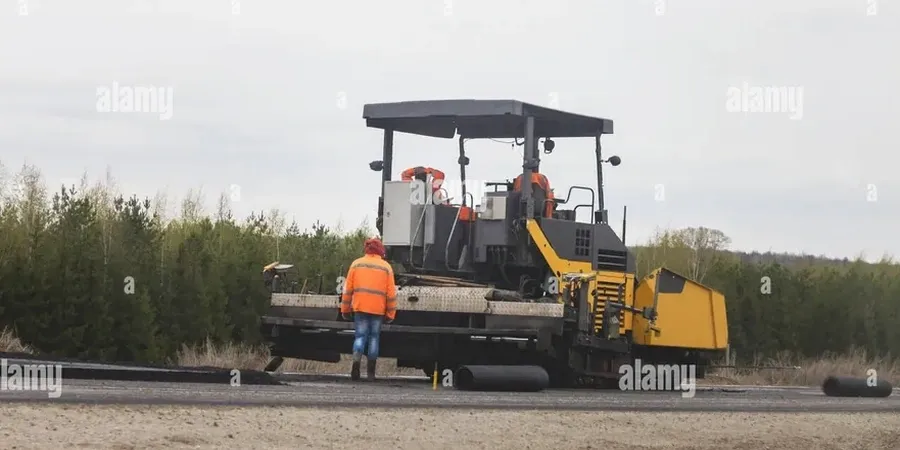
The rig sits idle for a moment on Hennepin Avenue while the crew positions a Shelby tube sampler above the St. Croix till layer that underlies much of downtown Minneapolis. We see this scene often because tunneling through the city’s glacial stratigraphy is rarely a matter of boring through uniform material. From the dense, overconsolidated Des Moines lobe deposits north of I-394 to the softer proglacial lake sediments near the Mississippi River floodplain, every alignment encounters a sequence that shifts within a few hundred feet. For tunnel designers, that means the grain-size distribution of fines and the interbedded sand lenses dictate whether a face will stand unsupported or require continuous grouting. We run Atterberg limits on each Shelby sample and pair them with consolidation curves to give the excavation team a practical window of ground behavior, not just a set of index numbers. In soft ground tunneling, the difference between a successful drive and a collapsed heading often comes down to knowing what that gray clay will do when the shield passes and the annulus is filled.

Minneapolis glacial stratigraphy can shift from stiff till to soft lacustrine silt within a single borehole—tunnel face stability demands that we measure that transition, not assume it.
Our service areas

Methodology and scope

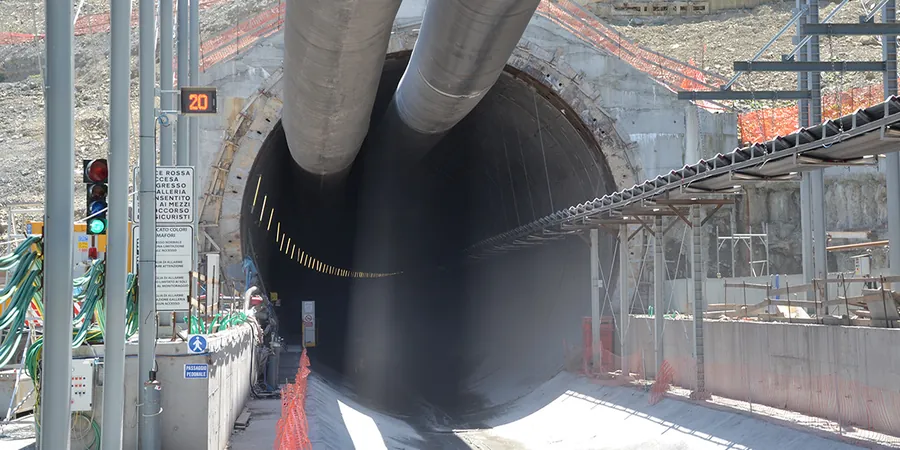
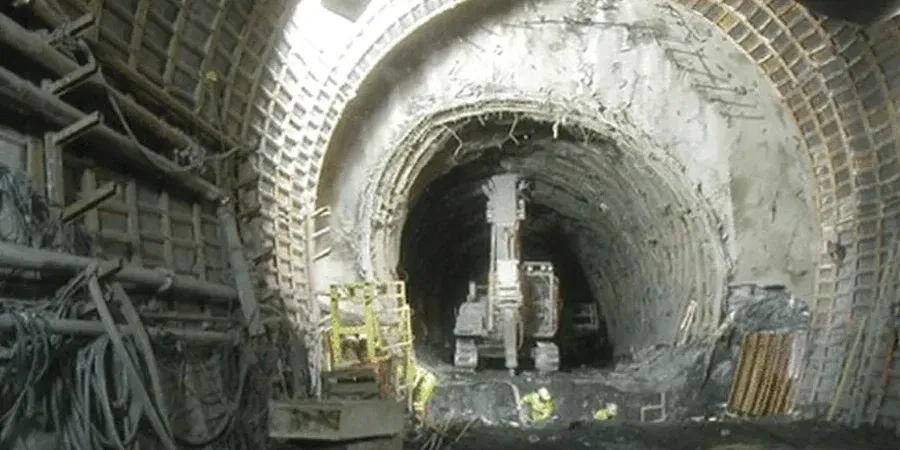
Minneapolis sits at roughly 830 feet above sea level, but the more relevant number for tunnel engineering is the 100 to 150 feet of Quaternary sediment stacked above the bedrock—a mix of till, outwash, and glaciolacustrine silts that can change from stiff to soft within a single borehole. When we log cores from the Phillips neighborhood or near the University of Minnesota East Bank campus, the stratigraphy often shows a classic Minneapolis profile: a dry crust of desiccated clay over softer, normally consolidated silt that extends down to the weathered Platteville limestone. Tunnel stability in this profile is not an academic exercise. We apply slope-stability methods to portal excavations and evaluate face support pressures using the undrained shear strength profiles derived from our triaxial testing program. In the past five years, we have seen a noticeable increase in projects requiring detailed soft-ground characterization as the Metro Blue Line Extension and various sewer interceptor tunnels push alignments through areas previously avoided for deep excavation. The standard of care here has evolved, and our laboratory protocols now routinely include consolidated-undrained triaxial tests with pore pressure measurement for any tunnel penetrating more than 30 feet of cohesive soil.
Geotechnical Analysis for Soft Soil Tunnels in Minneapolis
Technical reference — Minneapolis

Local considerations

A mistake we have seen repeated on more than one Minneapolis project is treating the upper desiccated crust as representative of the entire soil column. A contractor will log stiff, fissured clay in the first 15 feet, assume good stand-up time, and then hit the soft lacustrine unit at depth with no contingency plan for face instability or excessive settlement. In downtown Minneapolis, where tunnels pass beneath century-old masonry buildings and active light rail corridors, a settlement trough of just two inches can trigger a cascade of damage claims and construction delays. The glacial stratigraphy here does not announce transitions with obvious visual cues in cuttings; the change from a competent till to a sensitive, quick clay can happen gradually over a few feet. That is why we run liquidity index and sensitivity tests on every sample from the tunnel horizon, and why our reports flag zones where the soil is prone to remolding under shield vibration. A thorough soft-ground analysis in Minneapolis is not a box-checking exercise—it is the difference between a project that stays on schedule and one that ends up in litigation.

Need a geotechnical assessment?

Reply within 24h.

Email: contact@geotechnicalengineering1.org

Applicable standards

ASTM D1586-18 (Standard Test Method for Standard Penetration Test), ASTM D2487-17 (Unified Soil Classification System), ASTM D4767-11 (Consolidated Undrained Triaxial Compression Test for Cohesive Soils), ASCE 7-22 (Minimum Design Loads and Associated Criteria for Buildings and Other Structures – tunnel loading references), IBC 2021 (International Building Code, Chapter 18 – Soils and Foundations)

Technical parameters

ParameterTypical value
Undrained shear strength (Su) range, Minneapolis soft clay15–40 kPa (varies with depth and OCR)
Overconsolidation ratio (OCR) typical Des Moines lobe till2–8 (decreasing with depth below 20 ft)
Standard penetration test N-values in glaciolacustrine silt2–8 blows/ft (uncorrected)
Consolidation coefficient (cv) for proglacial lake clays0.5–3 m²/year
Grain-size classification per ASTM D2487CL, ML, and interbedded SM lenses
Liquidity index range for tunnel horizon clays0.6–1.2 (medium to soft consistency)
Permeability (k) of outwash sand layers1×10⁻³ to 1×10⁻⁴ cm/s

Frequently asked questions

What is the typical depth range for soft soil tunnels in Minneapolis?

Most soft-ground tunnels in Minneapolis are constructed at depths between 20 and 80 feet below ground surface, placing them squarely within the Quaternary glacial sequence. The tunnel horizon often straddles the contact between the overconsolidated Des Moines lobe till and the softer, normally consolidated proglacial lake sediments. This depth range avoids the weathered bedrock interface but stays above the deeper Platteville limestone, which is generally competent but introduces mixed-face conditions at the transition. We recommend continuous sampling through the full proposed alignment depth plus one tunnel diameter below invert to capture any unexpected sand lenses or buried valleys.

How much does a geotechnical analysis for a soft soil tunnel project cost in the Twin Cities?

For a comprehensive soft-ground tunnel investigation in Minneapolis, including field drilling, Shelby tube sampling, laboratory triaxial and consolidation testing, and the final geotechnical interpretive report, costs typically range from US$4,820 to US$15,220 depending on the number of boreholes, the sampling interval density, and the complexity of the stratigraphy encountered. Projects with longer alignments or challenging access conditions, such as working near the Mississippi River bluffs or in congested downtown corridors, tend toward the upper end of that range.

Which soil units in Minneapolis cause the most problems for tunneling?

The glaciolacustrine silts and clays deposited during the retreat of the Des Moines lobe are consistently the most challenging units for tunnel construction in Minneapolis. These sediments often exhibit moderate to high sensitivity, meaning they lose a significant portion of their undrained shear strength when remolded by shield vibration or excessive face movement. The interbedded sand lenses within this unit can also act as confined aquifers, creating localized inflows that destabilize the face. We flag both conditions in our reports with specific recommendations for conditioning agents or dewatering measures.

What laboratory tests are essential for soft-ground tunnel design?

We consider four test types non-negotiable for a reliable soft-ground tunnel analysis in Minneapolis: consolidated-undrained triaxial compression with pore pressure measurement to establish strength envelopes, incremental consolidation testing to predict settlement magnitude and rate, Atterberg limits to classify the clay fraction and assess sensitivity, and grain-size distribution by sieving and hydrometer to identify silt content and potential for face raveling. Depending on the presence of sand layers, we may also recommend permeability testing to inform dewatering design.

How do you account for the variable glacial stratigraphy along a tunnel alignment?

We approach the stratigraphic variability in Minneapolis by designing a borehole layout that captures longitudinal and transverse changes in the soil profile, typically spacing borings at 200 to 400 feet along the alignment with closer spacing near portal structures or where geophysical surveys indicate buried valleys. Every sample is logged using the Unified Soil Classification System, and we construct fence diagrams that correlate the Des Moines lobe till, outwash sand, and glaciolacustrine silt units across the alignment. This continuous profile allows the design team to anticipate transitions and plan for ground treatment or shield adjustments before the tunnel reaches problematic ground.

Location and service area

We serve projects across Minneapolis and its metropolitan area.

View larger map