GEOTECHNICAL ENGINEERING
MINNEAPOLIS

Geotechnical Engineering in Minneapolis

Evidence-based design. Reliable delivery.

LEARN MORE

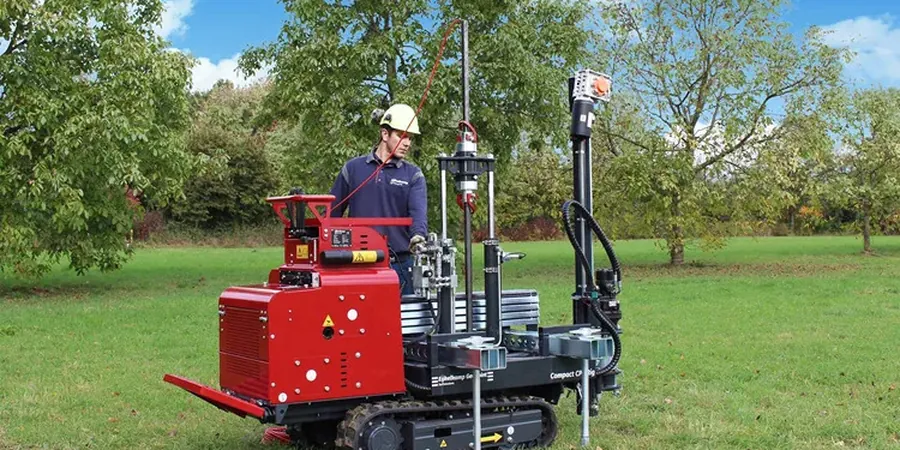
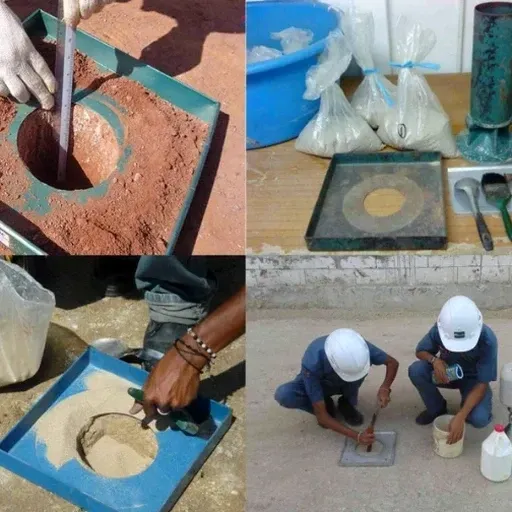
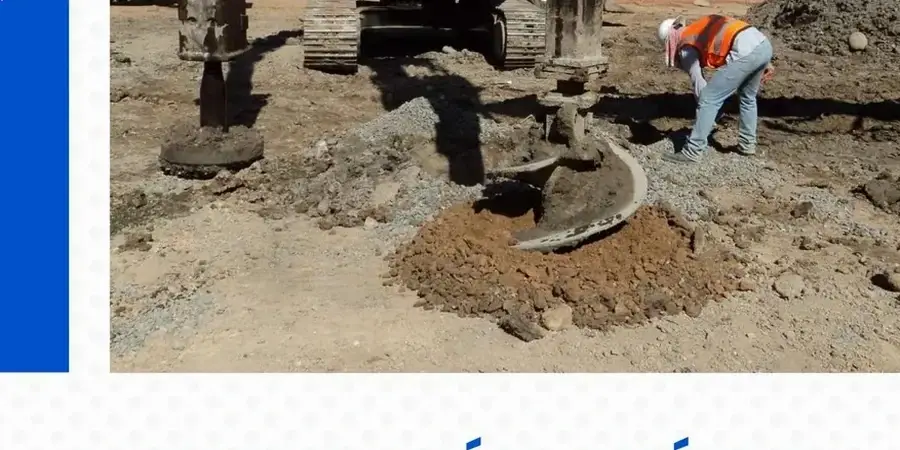
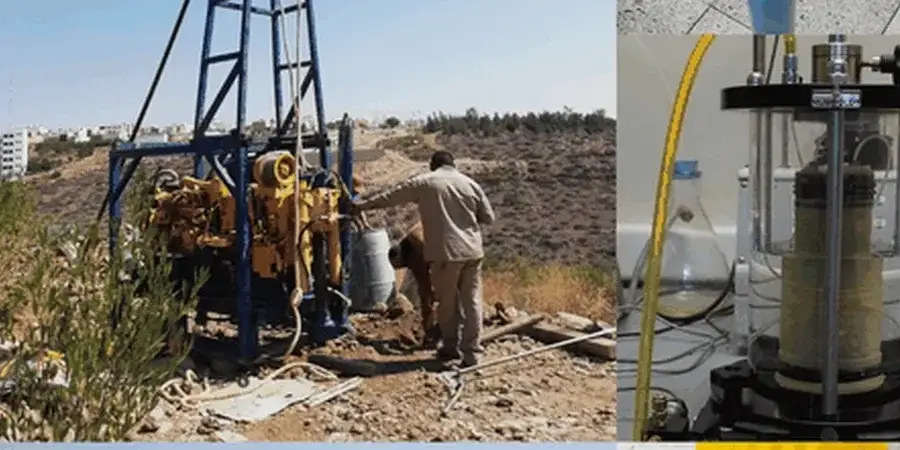
ASCE 7-22 and the Minnesota State Building Code (Chapter 1305) require a soil mechanics study before any foundation design in Minneapolis. The Mississippi River valley and the glacial history of the Twin Cities create a subsurface profile that changes radically from block to block. One lot hits dense glacial till at 8 ft; the next one, three houses down, finds 25 ft of compressible floodplain silts overlying the Platteville limestone. The test pits program we run in neighborhoods like Prospect Park or near Minnehaha Creek is designed to map those transitions quickly. For deeper bearing layers in the Downtown and North Loop districts, we combine the soil mechanics study with SPT drilling following ASTM D1586-18, because the IBC requires undisturbed strength data below the seasonal frost line at 42 inches.

A 2-ft change in the top of the Platteville limestone can shift the seismic site class from C to B under ASCE 7-22, altering the design base shear by 15%.
Geotechnical Engineering in Minneapolis
Technical reference — Minneapolis

Our service areas

Local geology

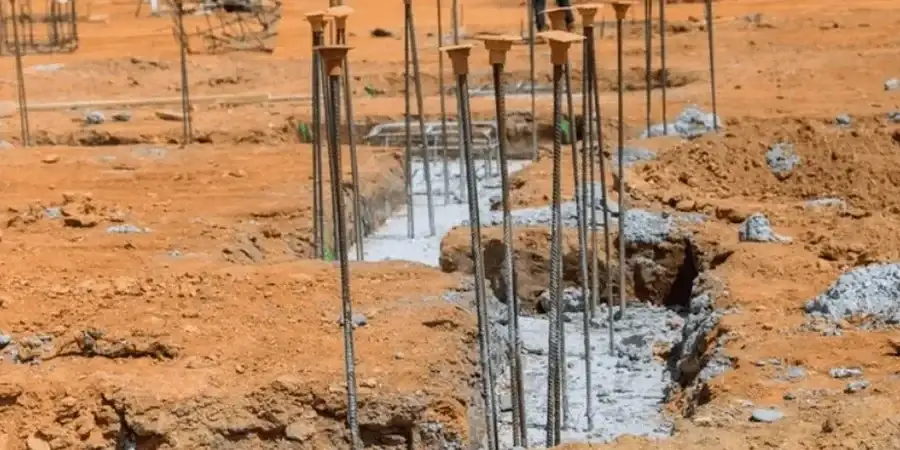
A soil mechanics study in Minneapolis starts with a stratigraphic model tied to the Des Moines lobe till. We worked on an apartment project in the Longfellow neighborhood where the borings showed a classic sequence: 3 ft of urban fill, then 12 ft of lacustrine clay with water content near the liquid limit. The triaxial CU test on undisturbed Shelby tube samples gave an undrained shear strength of 800 psf. That number drove the switch from spread footings to a mat foundation solution, because the IBC settlement tolerance for the adjacent 1920s brick church was tight. We ran consolidation tests under incremental loads up to 4 tsf to calculate the secondary compression in the clay layer, a parameter that the structural engineer needed for the differential settlement analysis between the elevator core and the perimeter columns.

Applicable standards

ASTM D1586-18 (SPT), ASTM D2487-17e1 (USCS classification), ASCE 7-22 (seismic site class), IBC 2021 / MN Chapter 1305, ASTM D2850-15 (triaxial CU)

Need a geotechnical assessment?

Reply within 24h.

Email: contact@geotechnicalengineering1.org

Why choose us

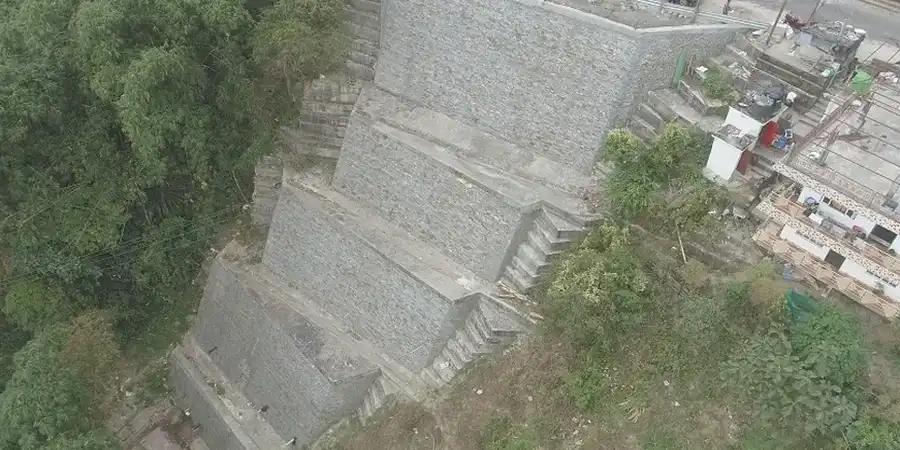
The difference between a site in Linden Hills and one in the Phillips neighborhood is instructive. Linden Hills sits on the Edina till, a stiff sandy loam with N-values above 25 and low compressibility. Spread footings work fine. Phillips, near the old Mississippi River terrace, has 15 to 30 ft of soft alluvium over limestone; we measure N-values of 4 to 8 and undrained strengths below 700 psf. If you skip the consolidation and strength tests in that zone, the foundation settles differentially and the masonry cracks within two freeze-thaw cycles. The soil mechanics study also screens for sulfate concentrations in the groundwater, because the IBC and ACI 318 classify Minneapolis soils as S1 or S2 exposure, requiring Type II or Type V cement.

Technical parameters

ParameterTypical value
Frost depth (MnDOT/IBC)42 in minimum
Seismic site class (ASCE 7-22)C or B (limestone)
Typical till N-value (SPT)18-45 blows/ft
Floodplain clay Su (undrained)600-1200 psf
Platteville limestone RQD70-95%
Sulfate exposure class (ACI 318)S1 to S2
Groundwater depth (metro avg.)8-20 ft bgs
Standard penetration testASTM D1586-18

Frequently asked questions

How much does a soil mechanics study cost in Minneapolis?

For a typical single-family or duplex lot in Minneapolis, the soil mechanics study ranges from US$2,920 to US$4,490. The final fee depends on the number of borings, the depth to the bearing stratum, and the lab tests requested (consolidation, triaxial, or direct shear).

What ASTM standards apply to a Minneapolis soil mechanics study?

ASTM D1586-18 governs the Standard Penetration Test. ASTM D2487-17e1 covers the Unified Soil Classification System. For laboratory strength, we follow ASTM D2850-15 (triaxial CU) and ASTM D3080 (direct shear). Consolidation testing follows ASTM D2435.

Do I need a soil mechanics study for a residential addition?

Yes. The City of Minneapolis building permit review requires a soil mechanics study for any new foundation or addition exceeding 400 sq ft. The frost depth requirement of 42 inches under MnDOT/IBC makes it mandatory to confirm the bearing stratum below the frost line.

How does the Mississippi River affect soil conditions in Minneapolis?

The river valley and its ancestral terraces deposited up to 40 ft of soft alluvium in neighborhoods like Seward, Prospect Park, and parts of Northeast. These soils have high compressibility and low N-values. Our study identifies the thickness of this layer and provides settlement parameters specific to the floodplain stratigraphy.

Location and service area

We serve projects across Minneapolis and its metropolitan area.

View larger map