GEOTECHNICAL ENGINEERING
MINNEAPOLIS
HomeGeophysicsSeismic tomography (refraction/reflection)

Seismic Tomography (Refraction/Reflection) in Minneapolis, MN

Evidence-based design. Reliable delivery.

LEARN MORE

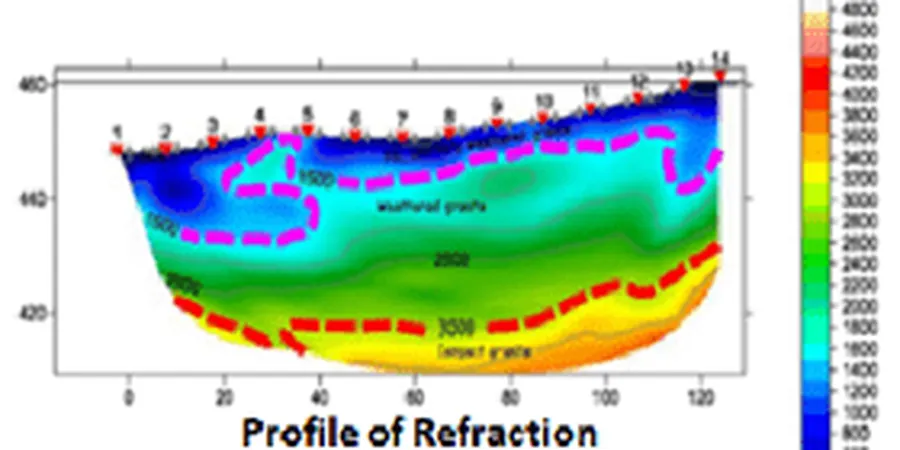
A recent warehouse expansion near the Mississippi River bluffs hit refusal at 12 feet. The driller called it bedrock. Seismic refraction lines showed it was a massive glacial erratic sitting on 20 more feet of compressible till. Minneapolis subsurface is a puzzle of glacial lobes, ancient river channels, and weathered Platteville limestone. Guessing gets expensive. We run 24- or 48-channel surveys with a sledgehammer or accelerated weight drop source. The output is a P-wave velocity model that maps competent rock, estimates rippability, and identifies buried valleys. For deeper targets, seismic reflection resolves stratigraphy beyond 100 feet using CDP stacking and geophone spreads tailored to the target depth. We correlate results with MnDOT boring logs and local geologic maps to ground-truth the interpretation.

A P-wave velocity model shows you where the real bedrock is, not where the auger stopped turning.
Our service areas

Methodology and scope

The contact between glacial deposits and bedrock in Minneapolis is rarely flat. Old river channels cut deep into the limestone, filled with loose sand and organic silt. Standard boreholes miss these features between stations. We set up linear arrays of 4.5 Hz geophones at 5- to 10-foot spacing. A 16-pound sledgehammer generates the seismic signal. First-arrival picking and tomographic inversion produce a 2D cross-section of compressional wave velocity. Low-velocity zones below 1,200 fps indicate soft clays or loose granular fill. Rock with velocities above 8,000 fps is typically rippable with a D9 dozer. Above 12,000 fps, blasting may be needed. We deliver layered velocity models, depth-to-bedrock contours, and a rippability classification table. The field crew works year-round, even when the ground is frozen, because the frozen surface layer actually improves coupling for refraction shots.
Seismic Tomography (Refraction/Reflection) in Minneapolis, MN
Technical reference — Minneapolis

Local considerations

We reviewed a project where the geotech report assumed bedrock at 15 feet based on three borings. The contractor bid for shallow footings. Seismic refraction revealed a 40-foot-wide buried valley crossing the site diagonally, missed by all three borings. The footings would have settled differentially by more than 2 inches. The fix involved over-excavation and engineered fill, adding $180,000 to the budget. In Minneapolis, the Des Moines Lobe deposited thick sequences of clay till with interbedded sand lenses. A boring every 100 feet cannot resolve lateral changes of this scale. Refraction lines bridge the gap between boreholes, producing continuous profiles that catch hidden soft zones, erratic boulders, and abrupt bedrock steps before excavation starts.

Need a geotechnical assessment?

Reply within 24h.

Email: contact@geotechnicalengineering1.org

Explanatory video

Applicable standards

ASTM D5777-18: Standard Guide for Seismic Refraction, ASTM D7128-18: Standard Guide for Seismic Reflection, ASCE 7-22 Minimum Design Loads (Site Classification), IBC 2024 Chapter 16: Structural Design, Section 1613, MnDOT Geotechnical Manual (current edition)

Technical parameters

ParameterTypical value
MethodSeismic refraction and reflection (P-wave and S-wave)
StandardASTM D5777-18 (refraction), ASTM D7128 (reflection)
Geophone frequency4.5 Hz, 14 Hz, or 28 Hz depending on target depth
Source typeSledgehammer, weight drop, or Betsy Seisgun for deeper profiles
Typical spread length115 ft to 1,150 ft (24 to 48 channels)
Depth of investigationRefraction: 1/3 to 1/5 of spread length; Reflection: up to 300 ft with weight drop
Output deliverables2D velocity cross-sections, depth-to-bedrock maps, rippability logs, Vs30 estimates
Site class determinationASCE 7-22 Section 20, IBC 2024 Chapter 16

Frequently asked questions

How deep can seismic refraction investigate in Minneapolis glacial soils?

Depth depends on spread length and source energy. With a 575-foot spread and weight drop, we typically image 80 to 120 feet in glacial till. The water table, which sits high in many parts of Minneapolis, helps P-wave transmission. For deeper targets beyond 150 feet, seismic reflection with CDP stacking is the better tool.

Can you run a seismic survey on a small urban lot with limited access?

Yes. We use 24-channel spreads as short as 115 feet, which fit within a single city lot. The crew places geophones manually and uses a sledgehammer source. We coordinate with Minneapolis right-of-way permits if part of the line extends onto the sidewalk or boulevard. Traffic control is arranged for surveys crossing streets.

What does a seismic refraction survey cost for a typical Minneapolis project?

A 2D refraction line with 24 to 48 geophones and a sledgehammer source runs between US$2,510 and US$5,920 per line, depending on spread length, number of shots, and site access conditions. Urban sites with pavement, buried utilities, or traffic control needs fall toward the upper end. Multiline projects benefit from reduced mobilization costs.

Location and service area

We serve projects across Minneapolis and its metropolitan area.

View larger map