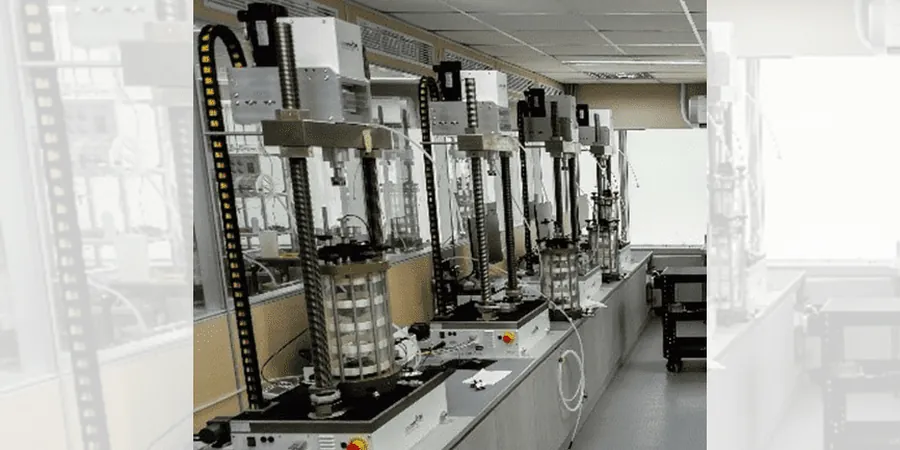
A common mistake we see in Minneapolis is designing deep foundations using only SPT N-values without verifying the effective stress shear strength. The glacial history here complicates everything. The Des Moines Lobe left behind silty clays with overconsolidated crusts, and the Mississippi River carved through them, depositing loose alluvium in the floodplain. SPT correlations often overestimate the friction angle in these materials. A consolidated-undrained triaxial test with pore pressure measurement provides the real c' and φ' values that make or break an excavation support design. For projects near the Stone Arch Bridge area or in the North Loop, where deep basements are common, we combine triaxial data with in-situ permeability results to assess drainage conditions during construction.
In overconsolidated Minneapolis till, the drained friction angle often exceeds 32°, but the cohesion intercept disappears with weathering—never rely on c' alone.